
From the landscape to the plate
Local food: markets, cafés and produce from the Gâtinais
A memorable local meal often begins with a question about the season, where an ingredient came from or the person who made it.
Choose the kind of stop before the address
Around Fontainebleau and across the Gâtinais, eating locally can mean several things: filling a bag at a market, buying at a farm, tasting a speciality from a food maker or settling into a café. The right choice depends on the shape of your day. A distant farm is an awkward detour between the château and a forest walk, while a market near the station can be a natural beginning.
| What you want | Where to begin | A useful question |
|---|---|---|
| Put together a picnic | A market or town-centre shop | What will travel safely for several hours? |
| Meet a producer | A regional directory, followed by the farm’s own page | Is the farm shop open freely or by arrangement? |
| Understand a speciality | A maker who explains the process | Which ingredients genuinely come from this area? |
| Pause after a walk | The village nearest your route | Will service fit your return time? |
Our local flavours and producers guide goes further into ingredients, directories and food-focused days. This page helps you choose the right format first.
Begin with the landscape
The Gâtinais brings together wet valleys, farmland, market gardening and aromatic plants. The Gâtinais français Regional Natural Park directory includes watercress, fruit and vegetables, honey, medicinal plants, poultry and dairy products. That list describes a whole territory, not the guaranteed contents of every stall.
Watercress belongs to the running water of specialist beds. Peppermint and other herbs recall the farming history around Milly-la-Forêt. Honey changes with the flowering season and the choices of each beekeeper. Instead of looking for one plate carrying every regional name, choose a single product and ask where it was grown or made.
A watercress farm, smallholding or apiary is a working place. Do not walk through an entrance because a map shows a marker there. Check whether visitors are welcomed and follow the stated arrangements.
Market or farm gate?
A market works well when you are travelling by train, have limited cooking facilities or simply want to decide on the day. The Fontainebleau Tourisme practical guide gathers market information for the Pays de Fontainebleau. Check it shortly before your visit, since a day, location or individual market can change.
Buying direct takes a little more planning, but often reveals more about the farm. The Pays de Fontainebleau producer directory includes market gardeners, beekeepers, livestock farmers, cheesemakers and other local makers. Open the producer’s own page next and make contact if the arrangements are unclear.
At a market or farm, three questions are enough: where was it produced, how should it be kept and what is the simplest way to serve it? They open a warmer conversation than hunting for products dressed up as “typical”.
Cafés and projects that change shape
A food project does not always remain in the same premises. The travelling café Les DouceSoeurs continued its story through the Roslina project in Moret-sur-Loing. Before planning a stop, check its current page for the location and format offered when you visit.
Other craftspeople and initiatives appear in the Biosphere Reserve’s eco-actor directory. Use it to find an idea, then confirm the place and how visitors are received. A workshop, shop and occasional event offer quite different experiences.
Fit the food stop into the day
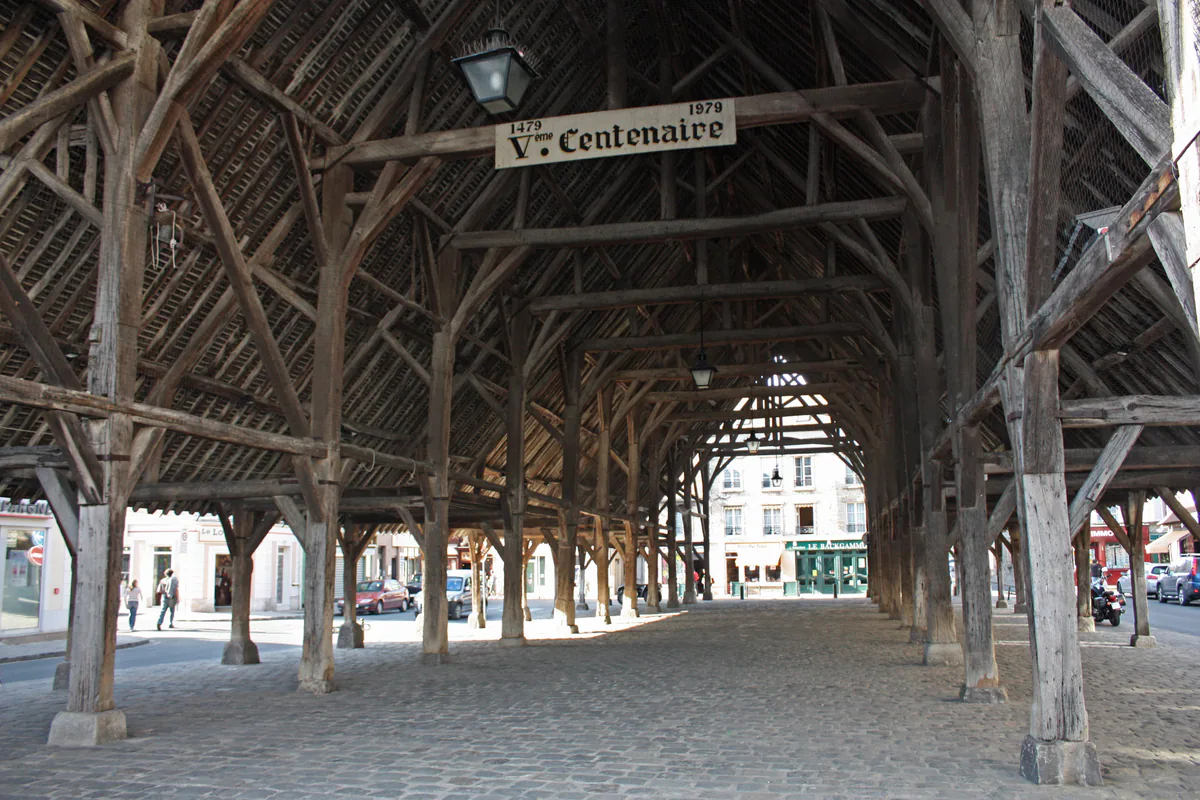
Fontainebleau and Avon work well for a market, the château and a park walk. Milly-la-Forêt naturally pairs its market hall and plant-growing history with one visit or a short walk in an open area. Moret-sur-Loing and Thomery tell stories of water, movement and valley cultivation. Barbizon suits lunch after the painters’ trail or a walk along the forest edge.
Plan one food stop rather than several. You will have time to talk and will not carry fragile produce for hours. If a tasting or workshop appeals, confirm booking, duration and ingredients with the organiser, especially where allergies are concerned.
A simple picnic in the right place
Buy a sensible amount and ask what can travel without refrigeration. Carry water, a reusable container and a bag for every scrap, including peels and napkins. A forest spring or pond is not drinking water.
Use an existing picnic area or somewhere that blocks neither a path, emergency access nor a climber’s landing zone. Leave stoves, barbecues and fires at home. Bread, one product that travels well, a little seasonal fruit or vegetables and time to sit down often make a better memory than an overambitious hamper.